The people behind every journey
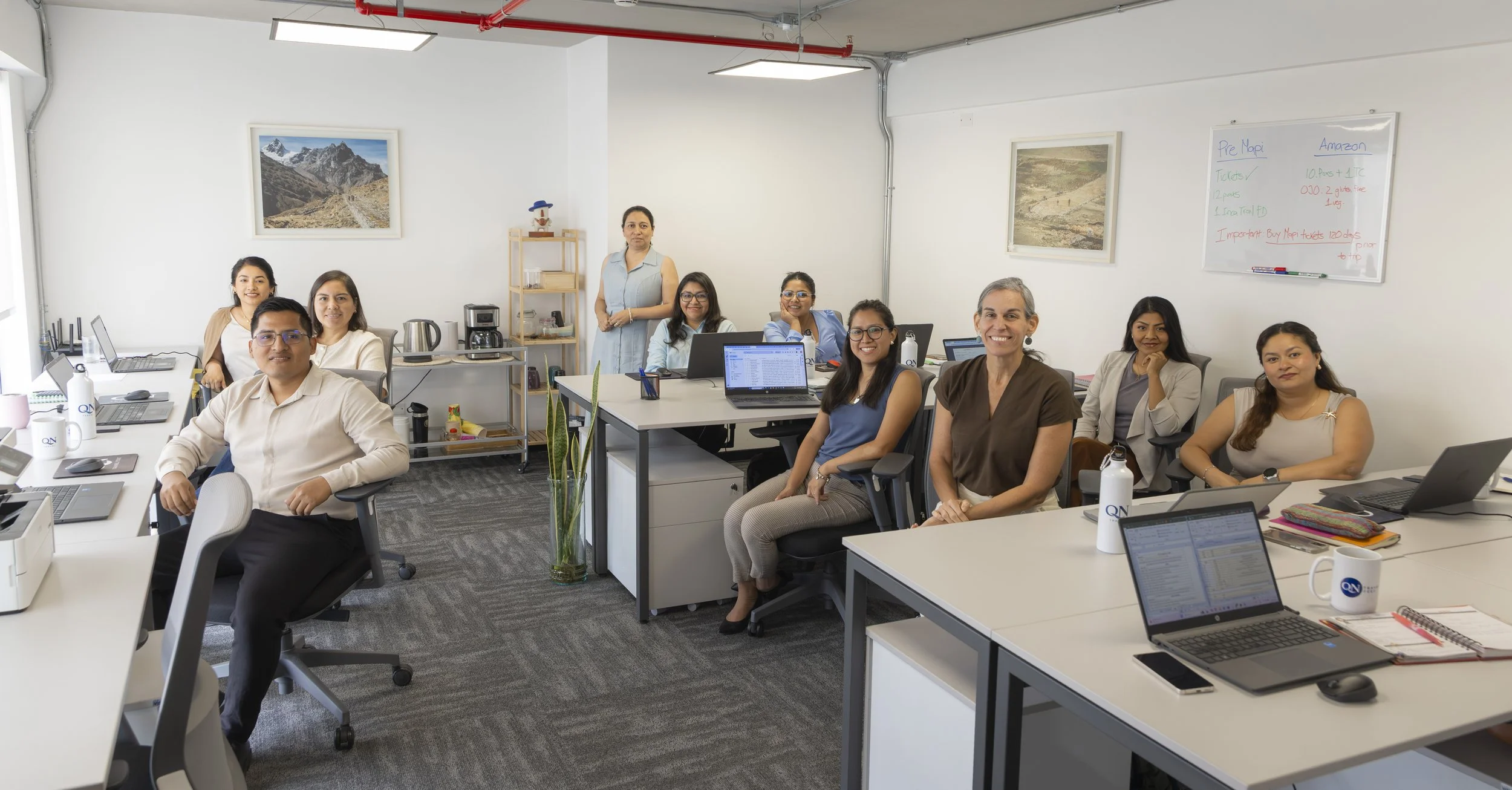
Every destination we operate is held together by people.
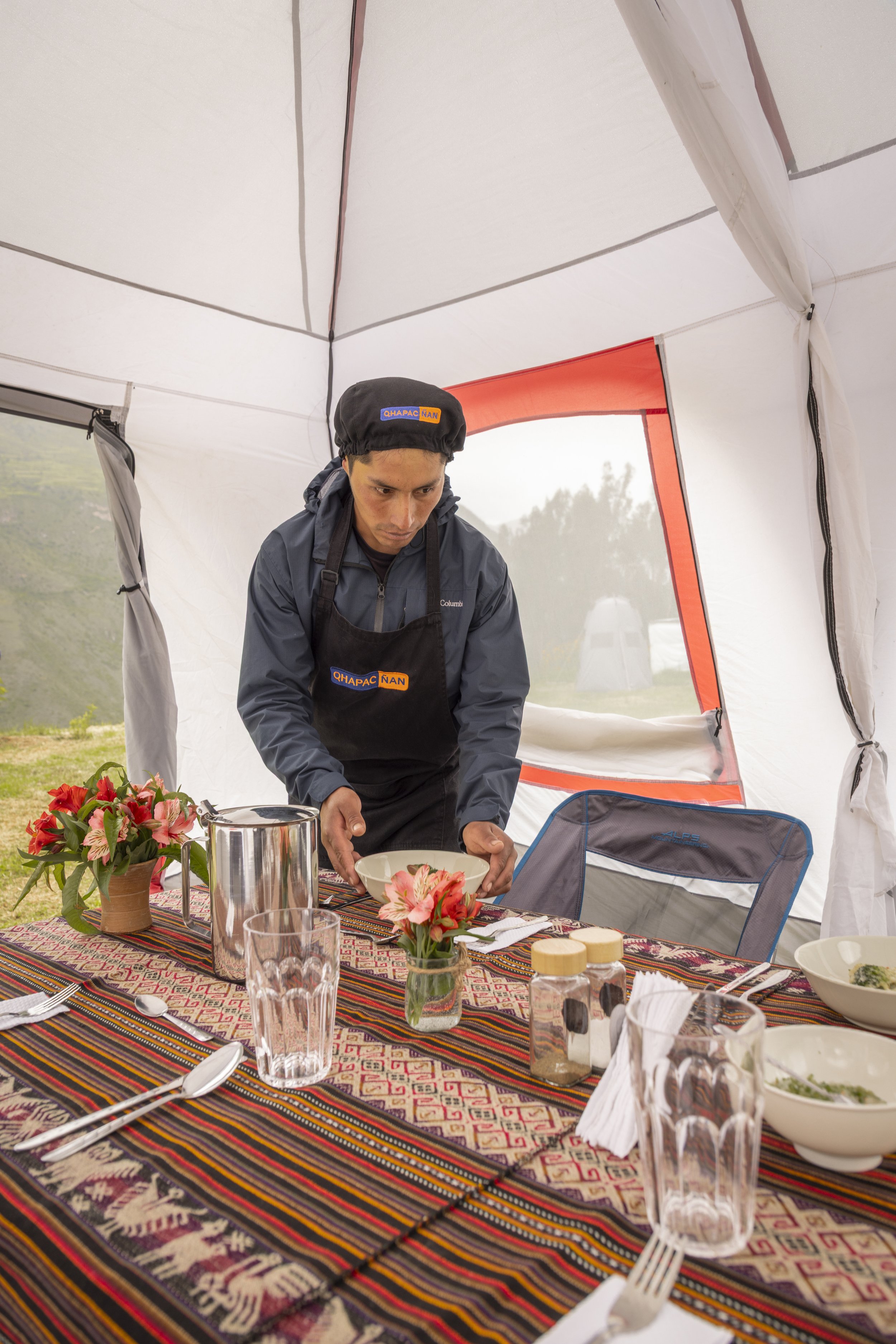
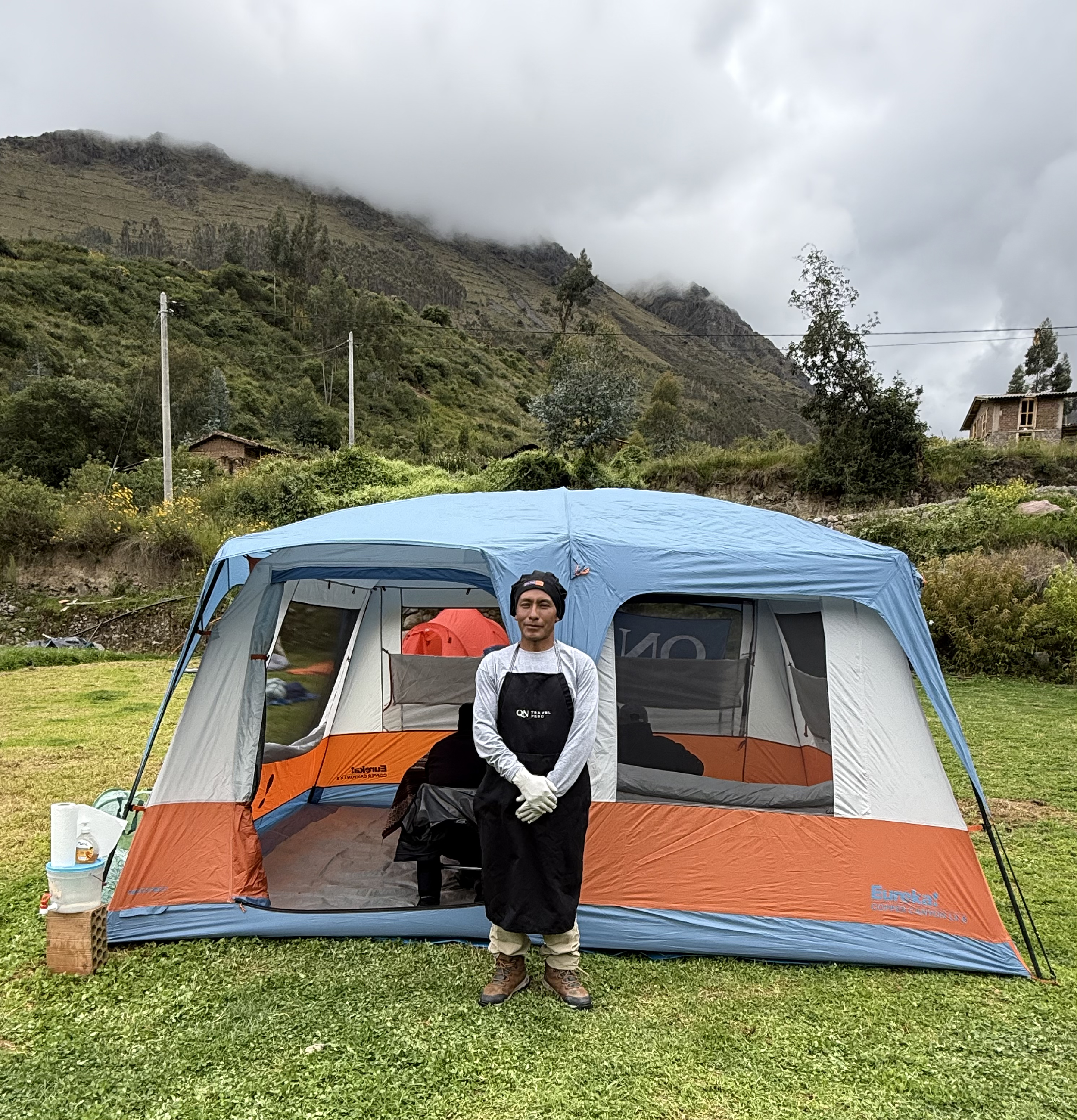
Not abstract “stakeholders,” but individuals working in specific contexts: guides, drivers, porters, artisans, small operators, people whose lives are deeply connected to the territories where we operate.
This is what ‘local’ actually means in practice. And it changes how tourism works.
If you follow the flow of tourism operations , you’ll eventually arrive at a series of decisions:
- Who participates?
- Who gets paid?
- How much?
- Under what conditions?
These decisions shape the entire system. They determine not only how value is distributed, but how resilient an operation is when things don’t go according to plan, which - in travel - is often.
Our role as a tour operator is to structure that system intentionally and this includes:
Prioritizing partners who are locally rooted
Building long-term relationships rather than transactional ones
Distributing value more equitably across each journey
Ensuring payments are timely and reliable
Investing in capability-building over time
But this doesn’t stop externally. Tourism is a service industry and what clients experience is directly shaped by the people delivering that experience. So internal structure matters just as much:
Fair compensation
Sustainable workloads, especially during high season
Space for life outside of work
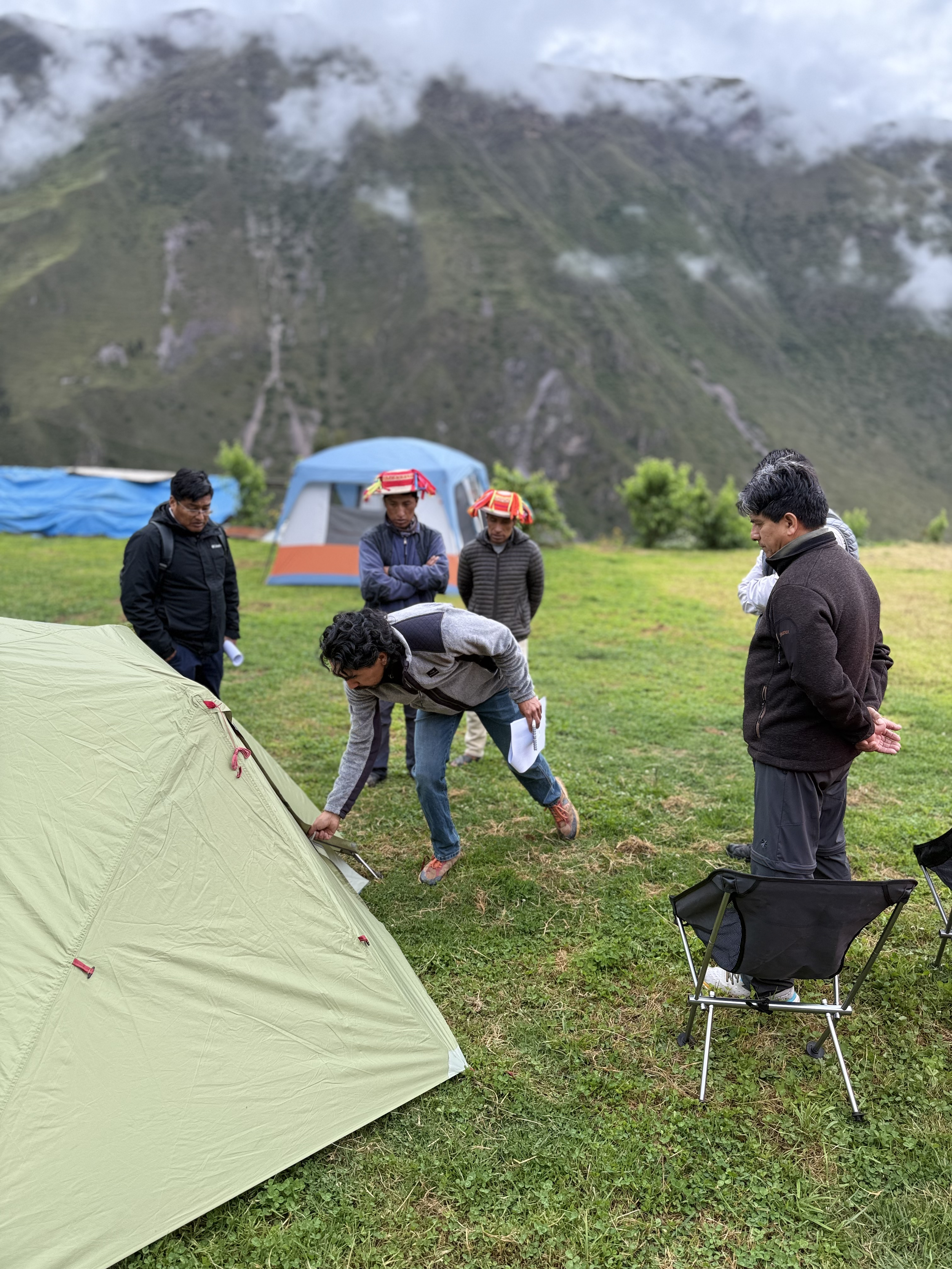
And because operational culture tends to replicate itself across the network, we’ve also chosen to invest in building capabilities within our extended operational teams. This includes workshops focused on improving client experience and service standards, particularly along routes like the Inca Trail, not only to elevate the quality of each journey, but to empower local teams with skills that strengthen their role within the industry.
We also actively promote fair pay practices, especially in contexts where imbalances have historically existed, such as with porters on the Inca Trail. These efforts are part of a broader intention: to contribute to more equitable working conditions across the system, not just within our direct operations.
And through educational support—including scholarships for the children of long-term partners—we invest in something that extends beyond tourism itself. Because education is not just support; it’s a long-term lever for opportunity, mobility, and change.